March 5, 2026
Hailstorms can strike quickly and leave vehicle owners dealing with unexpected damage and confusing insurance questions. From minor dents to shattered glass, the impact of hail can affect both the appearance and structural integrity of your car. Knowing how hail damage repairs work and how insurance claims are processed can make a stressful situation far more manageable.
When you understand what to look for, how to document the damage, and how repair professionals approach restoration, you can move forward with confidence. This guide explains the essentials of the repair process and outlines what you should expect during the insurance claim process. By learning the steps involved, you can protect your investment and make informed decisions about restoring your vehicle.
Recognizing Signs of Hail Damage
The first step after a hailstorm is identifying whether your vehicle has been affected. Hail can leave dents on the hood, roof, trunk, and side panels, and these dents may not always be visible at first glance. Small dimples can blend into reflections, especially on lighter paint colors.
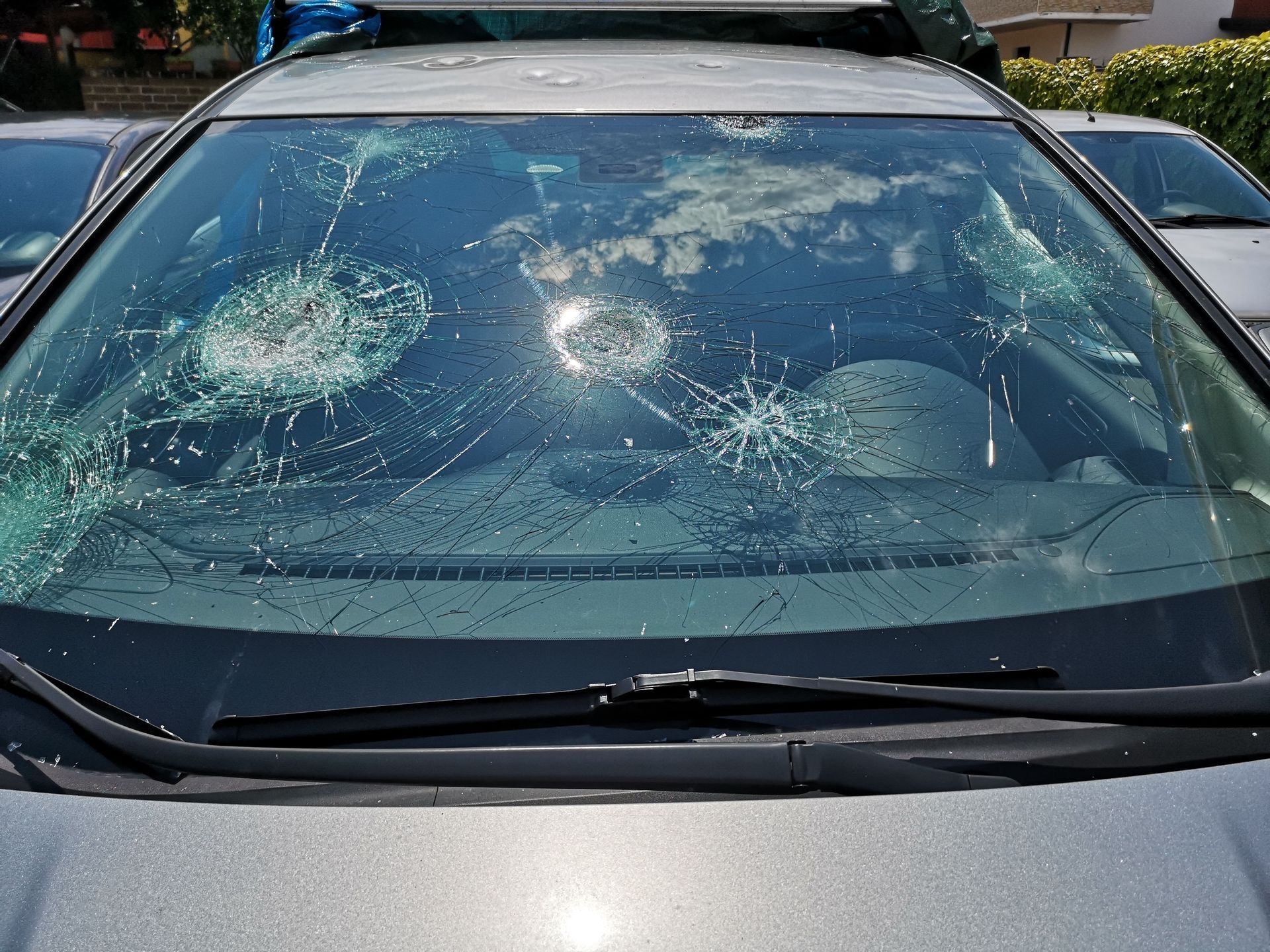
In addition to dents, you may notice chipped paint, cracked windshields, or damaged mirrors. Even minor surface damage can lead to long-term issues if moisture penetrates exposed metal. Prompt inspection allows you to determine whether professional hail damage repairs are necessary to prevent further deterioration.
It is wise to inspect your vehicle in good lighting or consult a repair specialist who uses specialized lighting tools. These tools help reveal subtle imperfections that the naked eye might miss. Early detection often results in a smoother repair process and stronger insurance documentation.
Understanding Repair Methods
Once damage is confirmed, the next step is understanding the available repair options. Many vehicles qualify for paintless dent repair, a technique that removes dents without affecting the original factory finish. This method is commonly used in hail damage repairs because it preserves the vehicle’s value and appearance.
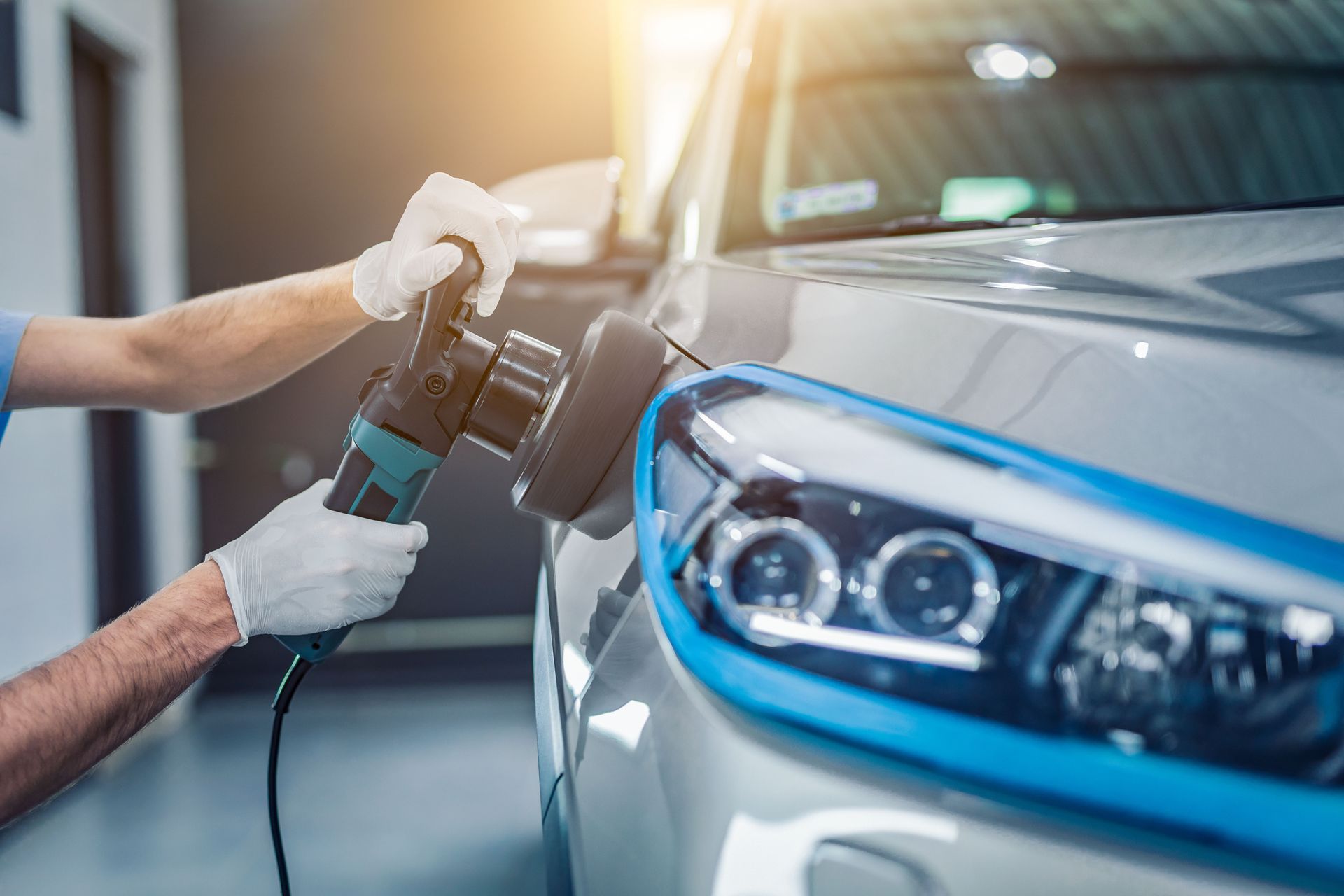
In more severe cases, traditional bodywork may be required. This can involve filling dents, sanding surfaces, and repainting affected panels. While effective, conventional repairs typically take longer and may cost more depending on the extent of the damage.
A qualified technician will assess the size, depth, and location of each dent before recommending a solution. The goal is to restore the vehicle to its pre-storm condition while maintaining structural integrity. Choosing an experienced repair provider helps confirm that the selected method matches the specific needs of your vehicle.
Documenting Damage for Insurance Claims
Proper documentation is essential when filing an insurance claim. Begin by taking clear photographs of all visible damage from multiple angles. Include close-up shots as well as wider images that show the entire vehicle.
It is also helpful to record the date and time of the storm and gather any available weather reports. According to the National Insurance Crime Bureau, on average, 245,000 personal auto insurance claims are submitted annually due to hail damage. This figure shows just how frequently hail-related losses occur and reinforces the need for careful and detailed documentation when filing a claim.
Contact your insurance provider promptly to report the damage. Many insurers will assign an adjuster to evaluate the vehicle and determine coverage. Keeping detailed records and maintaining communication throughout the process can reduce delays and confusion.
Navigating the Insurance Claim Process
After reporting the damage, your insurance company will guide you through the next steps. This typically involves scheduling an inspection and obtaining an estimate for repairs. The adjuster may inspect the vehicle in person or review photos and repair shop assessments.
Comprehensive auto insurance generally covers hail damage repairs, though you will still be responsible for your deductible. It is important to review your policy details, so you understand what is included. If you have questions about coverage, your insurance representative can provide clarification.
Once the claim is approved, you can move forward with scheduling repairs. Some insurers partner with preferred repair shops, but you often have the right to choose your own provider. Selecting a reputable company can make a significant difference in the quality and efficiency of the restoration process.
Selecting a Qualified Repair Professional
Choosing the right repair professional is one of the most important decisions you will make. Look for a company that specializes in hail damage repairs and has experience working with insurance providers. Specialized knowledge helps streamline communication between the repair shop and your insurer.
Reputation and certifications also matter. A reliable shop should be willing to explain the repair process, provide a detailed estimate, and answer any questions you have. Transparency builds trust and helps you feel confident about the work being performed.
It is also beneficial to ask about warranties on workmanship. Quality repair facilities stand behind their services and strive to restore vehicles to their original condition. A strong warranty reflects confidence in the durability and effectiveness of the repairs.
Preparing for the Repair Timeline
The timeline for completing repairs can vary based on the severity of the damage and the chosen method. Paintless dent repair is often quicker, sometimes completed within a few days. More extensive damage requiring repainting or panel replacement may take longer.
Your repair provider should offer a realistic estimate of how long the vehicle will be in the shop. Planning ahead for alternative transportation can help minimize disruption to your daily routine. Clear communication with the repair facility keeps expectations aligned throughout the process.
Weather events can lead to a surge in claims, which may extend wait times. Acting promptly after a storm can improve your chances of securing an earlier appointment. Staying proactive allows hail damage repairs to be completed efficiently and reduces the risk of additional issues developing.
Protecting Your Vehicle After Repairs
After your vehicle has been restored, taking preventive measures can reduce the likelihood of future damage. Parking in a garage or covered area during severe weather is one of the most effective strategies. If covered parking is unavailable, consider using a car cover designed to cushion against hail impact.
Staying informed about local weather forecasts also helps you prepare in advance for potential storms. Many mobile apps provide real-time alerts that allow you to move your vehicle to a safer location. Small preventive actions can make a meaningful difference in protecting your investment.
Regular vehicle inspections remain important even after repairs are completed. Catching minor issues early helps preserve the quality of previous work and supports long-term vehicle value. Ongoing care complements professional restoration and keeps your car looking its best.
Evaluating the Long-Term Financial Impact
Hail damage can reduce resale value if it is not properly addressed, as dents and paint imperfections may lower buyer confidence. Completing timely hail damage repairs helps maintain appearance and protect your investment. Insurance claims for hail are usually covered under comprehensive policies and may not impact premiums like collision claims, though coverage details vary. Speaking with your insurer can clarify how a claim affects your specific policy.
Professional restoration does more than improve looks. It protects structural integrity, helps prevent rust, and supports long-term vehicle performance. Acting quickly after a storm and working with experienced professionals can simplify the insurance process and restore your vehicle with confidence.
If your vehicle has recently been affected by a storm, do not wait to take the next step. Contact Factory Finish Auto Hail Repair today to schedule a professional assessment and get started on restoring your vehicle to its pre-storm condition with expert hail damage repairs.