May 5, 2026
Hailstorms can cause significant damage to vehicles, leaving owners with the daunting task of repairs. This article explores everything you need to know about auto hail damage repairs, including costs, repair methods, insurance claims, and preventive measures.
Understanding Hail Damage
Hailstones are balls or lumps of ice that form during intense thunderstorms with strong updrafts. These stones start as tiny ice pellets that are lifted into extremely cold areas of the storm cloud, allowing additional layers of ice to form around them. As the hailstones are lifted and fall through the cloud, thunderstorms' violent winds continuously add more ice layers. When they become too heavy for the updrafts to support, they fall to the ground as hail.
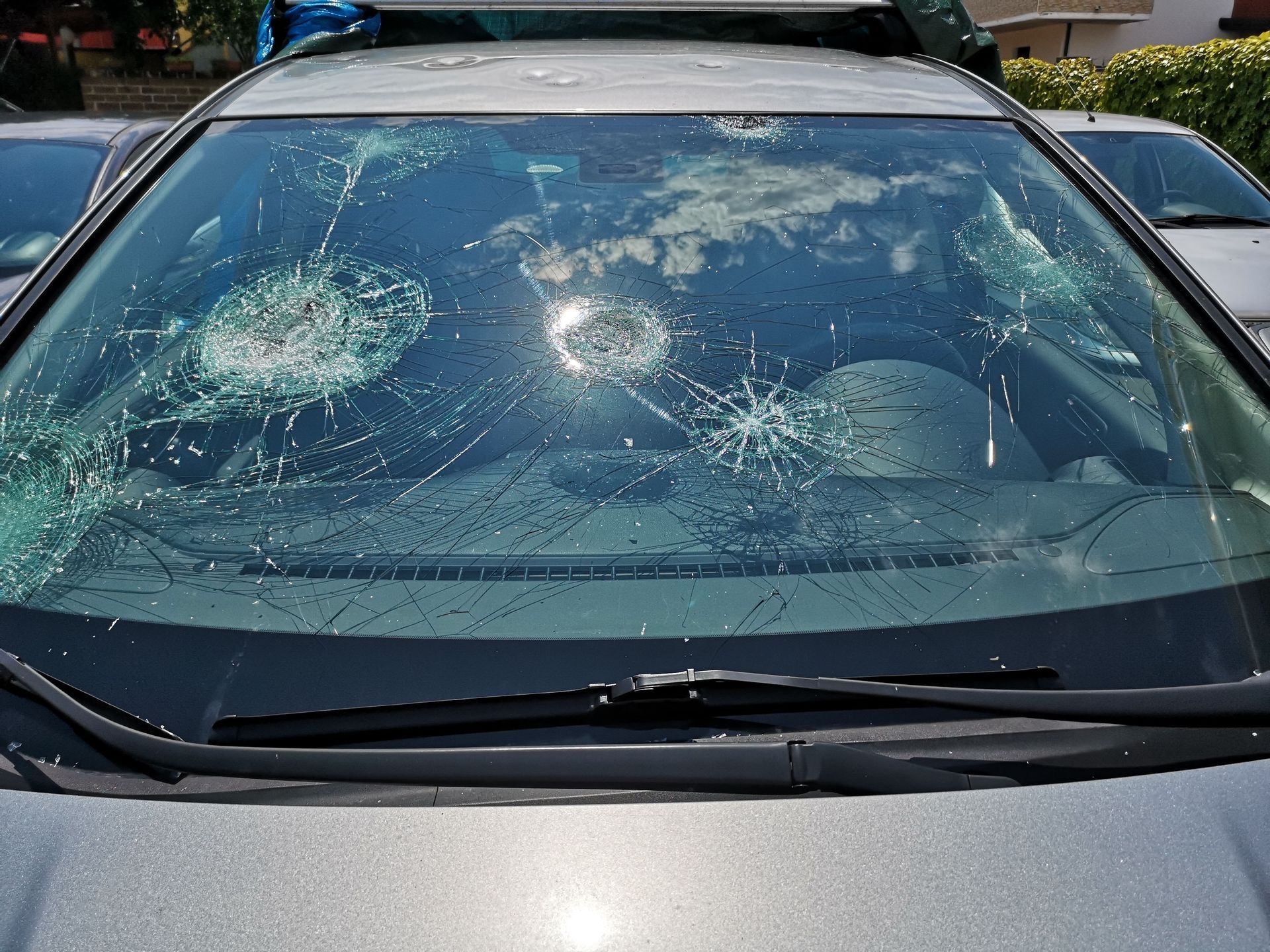
Hail damage to vehicles can vary greatly depending on several factors, including the intensity of the storm and the size of the hailstones. Small hail usually results in minor cosmetic dings and dents, often on horizontal surfaces like the hood and roof. However, larger hailstones can crack windshields, break side mirrors, and cause significant structural damage, leaving the vehicle vulnerable to rust and corrosion. In extreme cases, large-layered hail can puncture the vehicle’s metal, requiring extensive repairs.
Identifying hail damage early can significantly impact repair costs and efforts. Common signs of hail damage include round dents, usually with no paint chipping, which are classic indicators that your vehicle is a candidate for auto hail damage repairs. Cracks or chips on the windshield and window glass are more severe signs and often indicate the need for immediate attention. Even mirrors and lights can shatter or crack due to hail impact, impairing driving safety and requiring a comprehensive inspection.
Assessing the Damage
A preliminary inspection is crucial in identifying the extent of hail damage on your vehicle. Start by examining the horizontal surfaces, such as the roof, hood, and trunk where hail impact is most likely. Pay attention to the dents' size and frequency; larger, deeper indentations might signal the need for professional assessment. Use a flashlight in shaded garages to highlight subtle dings and creases. After conducting a thorough check, document all visible damage with photos and detailed notes, which will be especially helpful for insurance claims.
Professional assessment tools take the evaluation of damage a step further, providing accuracy and detail beyond a visual inspection. To ensure high-quality auto hail damage repairs, shops often use specialized lighting and reflection tools to enhance visibility, revealing dents invisible to the naked eye. Advanced scanners and software can quantify damage intensity, offering precise estimates essential for insurance claims. Some professionals also employ paint thickness gauges to ensure the integrity of the finish, maximizing repair efficacy while preventing overlooked damage.
Hail primarily affects the vehicle's roof, hood, and trunk, where impact coverage is most extensive. Windows and windshields often bear the brunt of hailstorms, leading to cracks or shattering that compromise visibility and safety. Side panels and mirrors may also suffer from dings, particularly if the storm direction affects the vehicle at angles. Additionally, plastic components such as light covers can crack or break due to hail impact.
Explaining Repair Methods
Paintless Dent Repair (PDR) is a popular method for fixing hail damage, especially for minor dents that have not compromised the paint. Technicians use specialized tools to massage and reshape the metal from behind the dented panel. This method is cost-effective, reduces turnaround time, and preserves the vehicle's original paint finish. According to AAA, an estimated 80% to 90% of minor dents and dings may be fixed using paintless dent repair, showcasing its efficiency. However, PDR might not be suitable for larger or more complex damage requiring traditional methods.
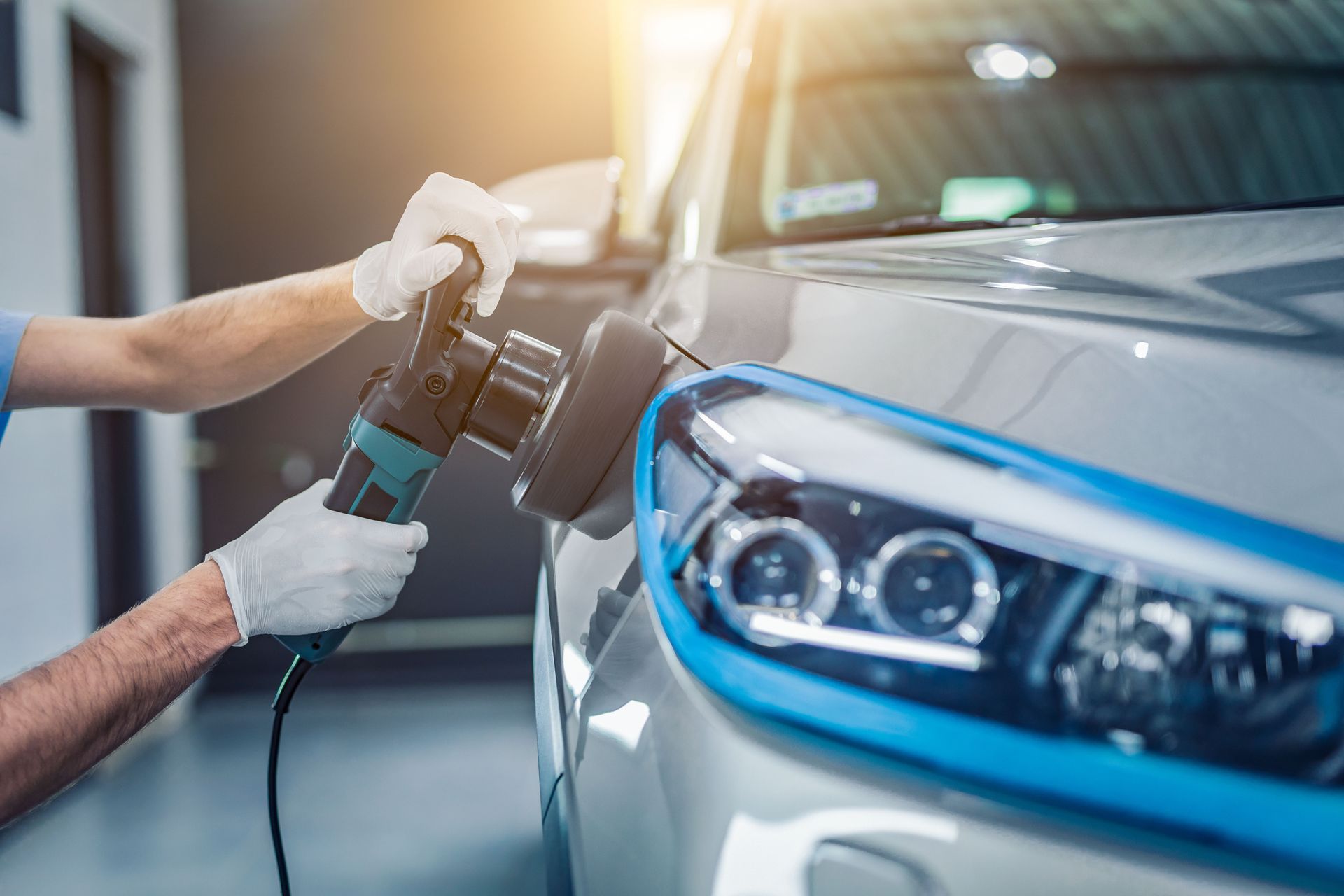
Traditional body repair techniques are often employed when hail damage is extensive, involving large dents or compromised paint. These repairs generally require body fillers, sanding, and repainting to restore the affected areas to their original condition. Traditional repairs tend to be more time-consuming and costly but are indispensable for severe vehicle damage. Advanced methods may also involve replacing parts that are beyond repair to ensure structural integrity. Ultimately, traditional body repairs offer a comprehensive solution to restore vehicles severely affected by hailstorms.
Choosing the appropriate repair method requires evaluating the extent and type of damage along with budget constraints. For minor dents where paint is intact, Paintless Dent Repair (PDR) is a quick, economical choice that preserves the original finish. For major damage encompassing paint chipping or extensive panel denting, traditional body repairs provide a more extensive restoration. Expert assessments offer informed guidance on selecting methods aligned with insurance coverage and financial estimates.
Insuring Your Vehicle Against Hail Damage
Hail damage is typically covered under comprehensive auto insurance policies, which handle unforeseen, non-collision incidents. Owners should review their policies to confirm they are covered for auto hail damage repairs, including the specific labor and parts involved. Additionally, since theft or damage from non-weather-related incidents falls under this insurance category, it provides broad protection for your investment. Some insurers even offer deductible waivers for hail in specific regions; understanding these specifics ensures you aren’t caught off guard by the bill.
Filing a hail damage claim involves several systematic steps, beginning with immediate inspection and documentation of the damage. Contact your insurer as soon as possible post-event to initiate the claims process, ensuring prompt resolution. Submit your documentation, including photographs, professional assessments, and repair estimates, for review by your claims adjuster. Follow through with the repair shop or recommended service provider approved by your insurer. Finally, pay any required deductibles as outlined in your policy before repairs commence.
Deductibles and coverage limits are essential in determining out-of-pocket costs and claim payouts for hail damage repairs. The deductible is the policyholder's portion of repair costs, which varies depending on the risk and coverage type. Comprehensive policies usually include deductibles for natural events like hail, influencing the decision to claim on minor damage. Coverage limits indicate the maximum amount an insurer will pay for a covered loss, requiring policy checks to avoid unexpected expenses.
Estimating Cost of Hail Damage Repairs
Repair costs for hail damage are influenced by various elements, including the extent of damage, repair choices, and insurance coverage. Minor dents often merit economical Paintless Dent Repair (PDR), while significant damage necessitates more costly conventional bodywork. Geographic location and shop rates also affect overall costs, with urban areas generally commanding higher fees. Insurers and policy specifics help determine the out-of-pocket costs through deductibles and coverage limits. Understanding these factors equips owners to assess and anticipate repair costs accurately.
Estimating hail damage repair costs involves calculating a thorough account of associated expenses. Begin with potential evaluations from auto shops offering itemized estimates outlining anticipated workload and pricing. Paintless Dent Repair (PDR) for minor dings reduces expenses compared to extensive bodywork for more severe impairment. Insurance coverage impacts projections significantly, factoring in deductibles and insurer collaboration.
Cost considerations for hail repairs hinge on the chosen repair method. Economical services might compromise repair quality, introducing risks of incomplete repairs that could depreciate the vehicle's value. Investing in certified professionals guarantees thoroughness, reflected in preserved paint finishes and structural integrity, ultimately safeguarding long-term vehicular investment. Evaluating costs against quality equips vehicle owners with strategic repair paths aligned with financial expectations.
Mastering
auto hail damage repairs is a multifaceted process that involves understanding the extent of the impact, assessing repair options, and navigating insurance claims with confidence. By staying well-informed, vehicle owners can make educated decisions that minimize out-of-pocket costs and prolong the lifespan of their vehicles. Preparedness intertwined with proactive strategies ensures your personal assets remain protected against the unpredictable nature of the weather. Ready to restore your vehicle to its prime condition? Contact Factory Finish Auto Hail Repair today for an expert consultation.